
News
What Causes Menopause Sleep Changes at Night?
October 03, 2026
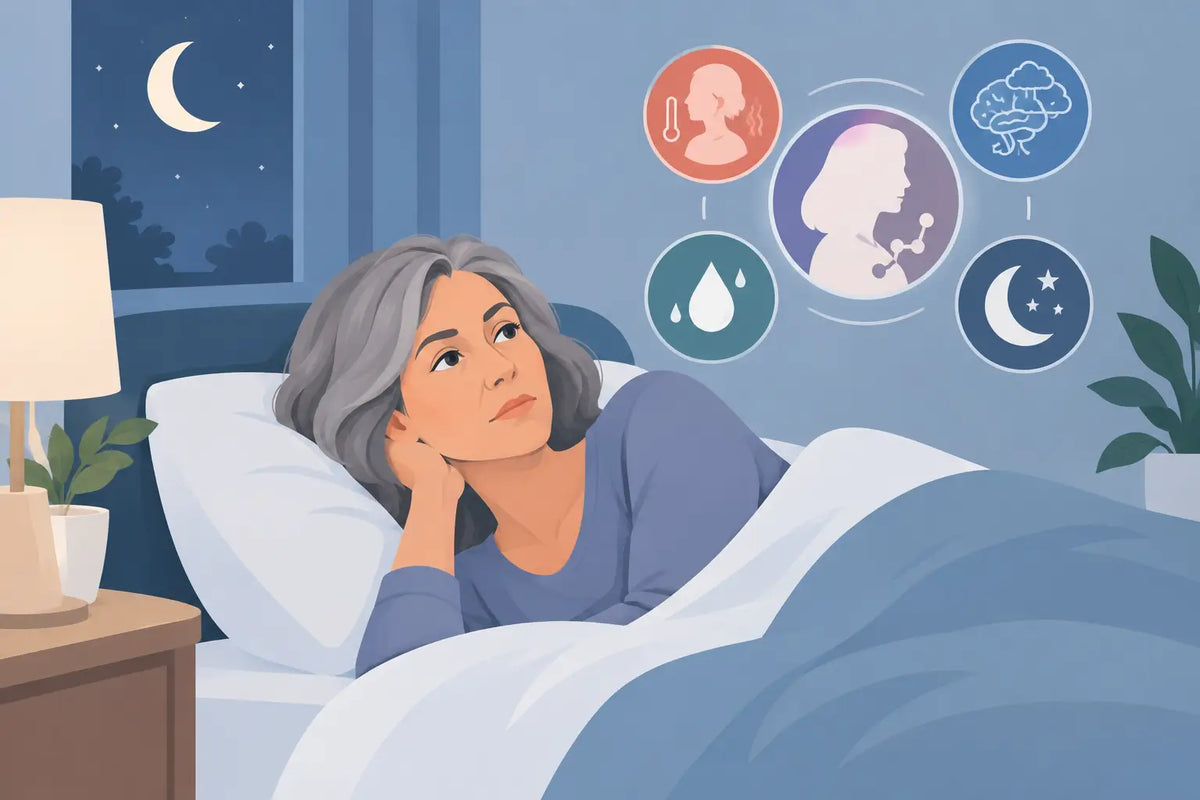
A night that once felt predictable can suddenly become a series of small interruptions: waking too warm, tossing after 3 a.m., or feeling tired despite spending enough hours in bed. If you are wondering what causes menopause sleep changes, the short answer is that several shifts can overlap at once. Your body’s changing hormone patterns matter, but so do temperature sensitivity, stress, daily routines, and the normal changes that come with this season of life.
Sleep changes are common in perimenopause and menopause, and they are not a personal failure or something you simply have to push through. Understanding the patterns behind them can make it easier to build an evening routine that feels supportive, realistic, and personal.
What Causes Menopause Sleep Changes?
During perimenopause, hormone levels can rise and fall unevenly before periods end. After menopause, estrogen levels remain lower than they were earlier in adulthood. These changes can influence the systems involved in body-temperature regulation, mood, and sleep-wake rhythms.
The result is not always straightforward. One woman may wake with a sudden feeling of heat, while another may feel wired at bedtime or notice that ordinary worries take up more space in the quiet of the night. Some experience several of these patterns at once. Sleep is sensitive to the whole picture, so the cause is often layered rather than singular.
Nighttime warmth and sudden awakenings
A warm rush, flushing, or sweating episode can interrupt a deeper stage of sleep before you are fully aware of what happened. Even a brief temperature shift may leave you uncomfortable enough to wake, adjust the covers, or change clothes. By the time you settle again, the rhythm of the night has been disrupted.
For some women, this is the clearest connection between menopause and sleep. For others, the warmth is mild, but the repeated waking is what lingers the next day. Keeping the bedroom cool, choosing breathable sleepwear, and layering bedding can reduce the practical friction of these moments. The goal is comfort, not a perfectly controlled night.
A more sensitive internal clock
Menopause can coincide with changes in circadian rhythm, the internal timing system that helps signal when to feel alert and when to feel sleepy. You may find yourself becoming tired earlier, waking earlier than you want to, or feeling awake in the middle of the night even when the room is quiet and dark.
Regular wake times can be especially helpful here. A consistent morning light exposure, whether by sitting near a window or taking a brief walk outside, gives the body a reliable cue that the day has begun. It will not erase every sleep interruption, but it can support a steadier rhythm over time.
Stress has a louder nighttime voice
Midlife can be full in ways that have little to do with menopause itself: work demands, family responsibilities, caregiving, changing relationships, and the mental load of keeping life moving. When daytime momentum slows, the mind may begin reviewing every unfinished task.
Hormonal changes may make this period feel more emotionally tender for some women, but stress is not “all in your head.” It affects how easily the body settles. A short wind-down practice can create a useful boundary between the day and bed - perhaps a warm shower, gentle stretching, a few pages of reading, or writing tomorrow’s to-dos on paper. Choose something you can repeat, not a complicated routine that becomes another obligation.
Sleep becomes lighter with age, too
Not every change that appears around menopause is caused only by menopause. Sleep naturally tends to become lighter and more easily interrupted as adults get older. A partner’s movement, a pet, street noise, or an early sunrise may suddenly be enough to wake you.
That does not mean the changes are insignificant. It means a more complete approach is useful. A cool room may help with warmth, while blackout curtains, earplugs, or a fan may help protect sleep from environmental disruption. Small adjustments often work better when they are combined thoughtfully.
Daily Habits That Can Affect Sleep During Menopause
Certain habits become more noticeable when sleep is already fragile. Caffeine that once felt fine in the late afternoon may keep you alert at bedtime. Alcohol can feel relaxing initially, yet it may contribute to wakefulness later in the night. Large meals, spicy foods, and a very warm bedroom can also be uncomfortable for some people who experience nighttime warmth.
This is not a call for rigid rules. It is an invitation to notice patterns. Consider keeping a simple two-week record of bedtime, wake time, nighttime awakenings, evening drinks or foods, and how you feel the next morning. Look for trends rather than judging individual nights. If wine with dinner reliably coincides with 2 a.m. wakeups, for example, you have useful information to work with.
Movement during the day can also support sleep pressure, the natural drive to rest after being awake. A walk, strength session, yoga class, or time spent gardening can all count. Intense exercise close to bed works well for some people and feels too stimulating for others, so this is another area where your own response matters.
A Gentle Plan for More Comfortable Nights
When sleep is inconsistent, it can be tempting to change everything at once. A calmer approach is usually more sustainable: begin with one or two changes, give them time, then reassess.
Start by making your sleep environment easier to return to after an awakening. Keep a glass of water nearby, use breathable sheets, and have a light layer available instead of one heavy blanket. Dim lights in the hour before bed, and reserve the bed for rest when possible. If you are awake for a while and becoming frustrated, a quiet activity in low light can be more settling than watching the clock.
Daytime support matters, too. Eat regular meals that leave you comfortably satisfied, get outside early when you can, and build moments of genuine pause into busy days. Better sleep does not always come from trying harder to sleep. Sometimes it comes from giving the nervous system more opportunities to downshift before night arrives.
Where Botanical Support May Fit
For women seeking a non-hormonal addition to their wellness routine, a thoughtfully formulated botanical supplement may be one part of a broader comfort plan. It should not replace individualized medical guidance, healthy sleep habits, or attention to symptoms that need evaluation.
Allegro Menopause Relief takes a focused, multi-botanical approach, with ingredients selected for distinct supportive roles across common midlife concerns. Its formula includes black cohosh and Siberian rhubarb for menopause comfort, alongside valerian for nighttime relaxation, saffron for mood balance, Korean ginseng for daily vitality, and red clover. It is vegan, non-GMO, gluten-free, and made in the United States under current Good Manufacturing Practices.
Botanicals are not automatically right for every person. Review the full ingredient label and speak with a qualified healthcare professional before using a new supplement if you take medication, are managing an ongoing health concern, are pregnant or nursing, or have questions about possible interactions. Individual responses vary, and supportive routines work best when they are chosen with care.
When to Bring Sleep Changes to a Healthcare Professional
It is worth discussing sleep changes with a healthcare professional when they are persistent, feel unusually disruptive, or come with symptoms that concern you. A conversation can help you sort through possible contributors beyond menopause and identify options suited to your health history and preferences.
Bring a few notes if you can: when the changes began, what waking looks like, whether nighttime warmth is involved, and what you have already tried. Clear details make the conversation more useful. You deserve to be heard without minimizing how a string of poor nights can affect your comfort, focus, and energy.
A changing sleep pattern can feel unfamiliar, but it is also a practical signal to offer yourself more support. Begin with the conditions you can shape tonight - a cooler room, a steadier wind-down, and a little more patience for a body moving through change. Balance, energy, and confidence can be built in small, repeatable choices.