News
Hormone Therapy Versus Botanical Supplements
September 05, 2026
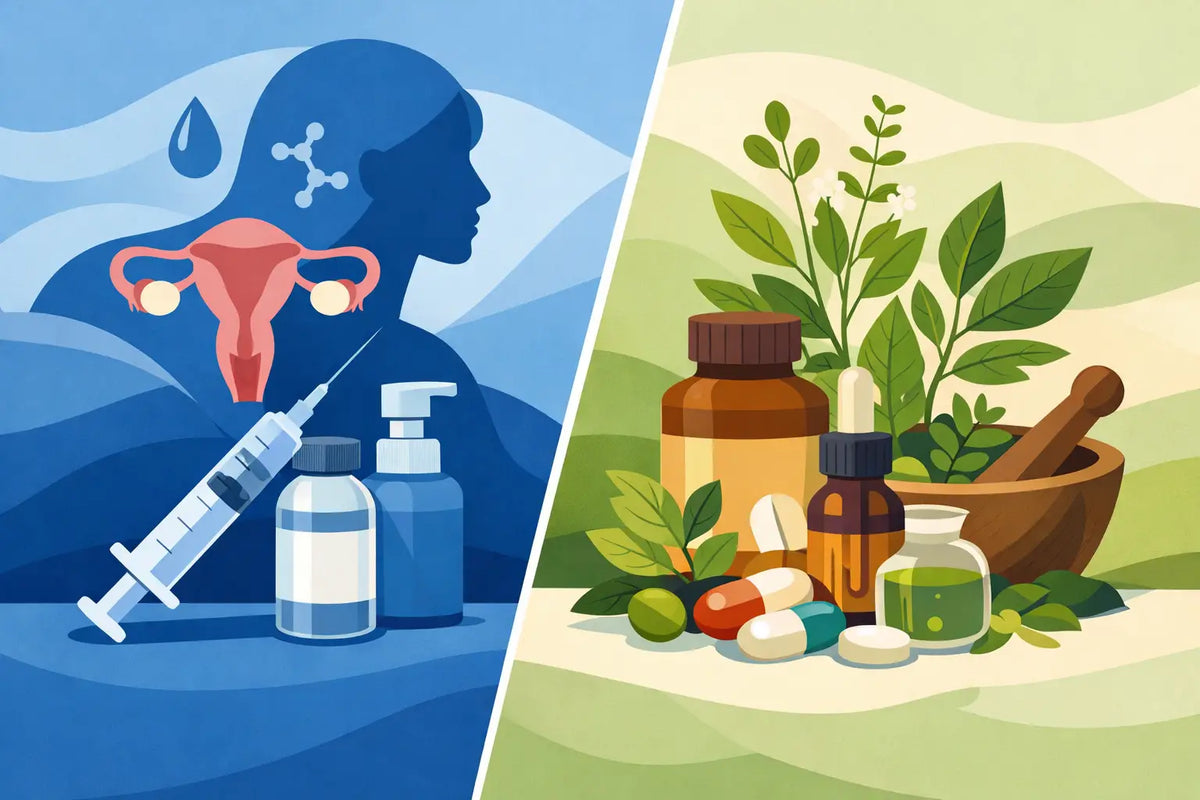
A warm room, a restless night, a sudden shift in mood or focus - the changes of perimenopause and menopause can feel very personal. When comparing hormone therapy versus botanical supplements, the most useful question is not which option is universally best. It is which approach fits your symptoms, health history, preferences, and everyday routine.
Both options deserve a clear-eyed look. Hormone therapy is a medical conversation with potential benefits and considerations. Botanical supplements offer a non-hormonal wellness approach, but quality, ingredients, and individual response matter. You do not have to minimize what you are feeling, and you do not have to choose based on fear.
Hormone Therapy Versus Botanical Supplements: The Core Difference
Hormone therapy is prescribed care that uses hormones to address certain menopause-related concerns. A licensed healthcare professional considers your personal history, current symptoms, family history, medications, and the type of hormone therapy under discussion. Follow-up is part of the process, because dose, form, and suitability can vary from one person to another.
Botanical supplements do not contain prescription hormones. Instead, they use plant-derived ingredients selected to support aspects of daily comfort that may shift during midlife, such as occasional hot-flash discomfort, nighttime relaxation, mood, mental clarity, or energy. They are commonly chosen by women who want a hormone-free addition to their wellness routine.
That difference is meaningful, but it is not a simple hierarchy. A supplement is not a substitute for individualized medical care, and hormone therapy is not the only thoughtful path through menopause. Each route has a different purpose, oversight process, and set of questions to consider.
When Hormone Therapy May Be Part of the Conversation
If menopause changes are disrupting your day-to-day comfort or sleep, a conversation with your healthcare professional can bring welcome clarity. They can help you understand whether hormone therapy is appropriate for you, what forms may be considered, and what monitoring may be needed.
Hormone therapy may appeal to women who want prescription-based support and ongoing guidance from a clinician. It can also be a good fit for someone who prefers a plan shaped around a detailed medical history rather than a self-directed over-the-counter routine.
The trade-off is that this approach requires medical evaluation and may not suit every person. Your healthcare professional is the right person to discuss your health history, medication use, personal priorities, and any concerns about starting, changing, or continuing a prescription. Never adjust prescribed medication on your own in response to a supplement or wellness article.
Why Some Women Choose Botanical Support
For many women, menopause support begins with practical, non-hormonal steps: a more consistent sleep routine, regular meals, movement, hydration, stress care, and a thoughtfully chosen supplement. A botanical formula can feel especially approachable when it is transparent about what is inside and why each ingredient is there.
Botanical support is not about pretending the transition is insignificant. It is about meeting it with daily care. Some women prefer this route because they want plant-based ingredients, do not wish to use hormones, or are looking for a simple complement to the healthy habits they already value.
Results with botanicals can be individual and gradual. The body is not a stopwatch, and a formula that feels supportive for one woman may not feel the same for another. This is why realistic expectations matter: look for a routine you can follow consistently, observe how you feel over time, and speak with a healthcare professional when symptoms are new, concerning, or difficult to manage.
What to Look for in a Botanical Formula
The word “natural” is not enough information. A thoughtful menopause supplement should tell you exactly what you are taking, how much is included, and how the ingredients work together within the formula's intended purpose.
A focused multi-botanical approach can be more useful than a crowded label filled with loosely related ingredients. For example, a formula may include black cohosh and Siberian rhubarb for menopausal comfort, saffron for mood support, valerian for nighttime relaxation, Korean ginseng for daily vitality, and red clover as part of a broader botanical blend. The goal is not to make every possible promise. It is to create a clear, intentional role for each ingredient.
Quality standards also matter. Look for full-label transparency rather than proprietary blends that hide individual amounts. Consider whether the formula is vegan, non-GMO, gluten-free, and made in the United States under current Good Manufacturing Practices. These details do not guarantee a particular experience, but they help you make an informed choice about what becomes part of your daily routine.
Allegro Menopause Relief takes this focused approach with nine botanical extracts in a hormone-free, 30-day formula. Its ingredient list is designed around connected areas of midlife support: comfort, relaxation, mood, clarity, and vitality. The label is meant to be read, not merely trusted.
Safety Questions Are Part of Self-Care
Botanical does not automatically mean right for everyone. Plant ingredients can interact with medications, and individual considerations still apply. Review the complete Supplement Facts label and consult a healthcare professional before using a new supplement if you take medication, are pregnant or nursing, have an upcoming procedure, or have questions about whether an ingredient is appropriate for you.
The same thoughtful approach applies to combining options. If you use hormone therapy and are considering a botanical supplement, bring the exact product label to your healthcare professional or pharmacist. They can help you assess the full picture rather than guessing based on a front-label claim.
Be cautious with products that promise dramatic change, claim to work immediately, or use vague language instead of naming ingredients. Menopause deserves better than exaggerated promises. A responsible brand acknowledges that wellness support is personal and that supplements are not intended to diagnose, treat, cure, or prevent any disease.
How to Choose the Path That Feels Right
Start with the support you need most. Is your priority discussing prescription options with a clinician? Are you seeking a hormone-free daily formula to support comfort, sleep routines, mood, focus, or energy? Or do you need more information before making either choice? There is no prize for choosing quickly.
Next, consider how much oversight you want. Hormone therapy involves a prescribing relationship and medical follow-up. Botanical supplements are generally self-directed, though they still call for careful label reading and attention to interactions. Some women appreciate the structure of prescription care; others value beginning with a transparent supplement and lifestyle routine. Both preferences are valid.
Finally, make room for reassessment. Your needs can change across perimenopause and menopause. Keep brief notes on your comfort, sleep quality, mood, and energy, along with any changes to your routine. Those observations can help you decide whether to continue, refine, or discuss a different approach with a healthcare professional.
A More Grounded Way Forward
The choice between hormone therapy and botanical supplements does not have to become an all-or-nothing decision. It can be a thoughtful process shaped by your body, your values, and the kind of support you want around you.
Choose clear information over sweeping claims. Choose ingredients you can recognize and standards you can understand. Above all, give yourself permission to approach this season with patience, agency, and confidence - one well-considered step at a time.