
News
Natural Support for Night Sweats at Bedtime
July 26, 2026
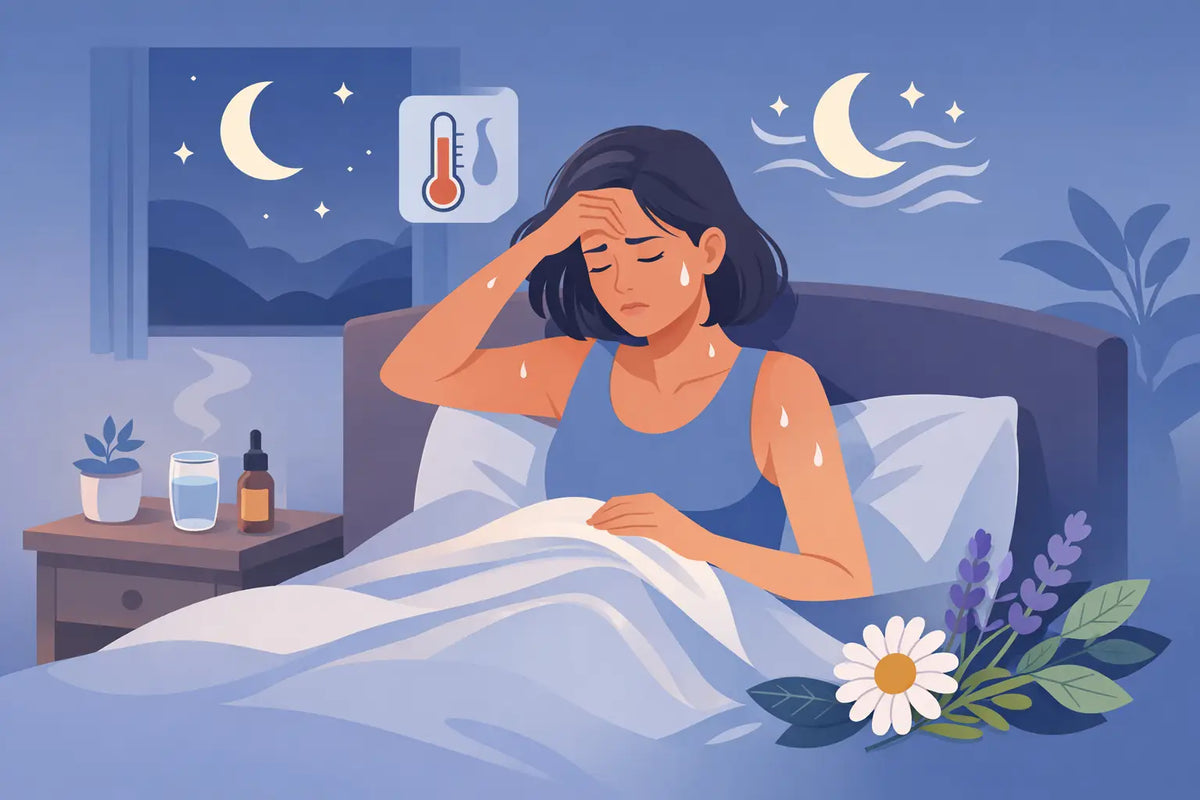
Waking up warm enough to throw off the covers can make a full night’s rest feel out of reach. For many women in perimenopause and menopause, natural support for night sweats begins with small, practical adjustments that make the bedroom more comfortable and the evening less stimulating. A thoughtful routine can support comfort without asking you to overhaul your life.
Night sweats may show up alongside changing sleep patterns, occasional hot flashes, shifts in mood, or a sense that your usual nighttime routine no longer works quite the same way. This is a common part of a changing season, not a personal failing. The goal is not perfection. It is creating a more supportive environment for rest, one choice at a time.
Why night sweats can feel so disruptive
A warm spell at night is brief, but its effects can linger. You may wake, adjust the bedding, look at the clock, and find it difficult to settle again. Over time, broken sleep can leave less room for the patience, focus, and steady energy you want during the day.
That is why the most useful approach usually considers more than room temperature alone. Evening food and drinks, bedding, stress levels, sleep timing, and daily movement can all influence how comfortable the night feels. Your experience may also vary from week to week, so it helps to build a routine that is flexible rather than strict.
Natural support for night sweats starts with your sleep space
A cool, uncomplicated bedroom gives you a practical foundation. If possible, keep the room at a temperature that feels comfortably cool before you get into bed, rather than waiting until you wake up warm. A fan, breathable pajamas, and lightweight layers can make it easier to adapt without fully waking yourself.
Natural fibers such as cotton, linen, or moisture-wicking blends may feel more comfortable than heavy, heat-trapping fabrics. Consider a layered bedding setup: a lighter blanket close at hand can be easier to manage than one thick comforter. Some women also find that having a spare sleep shirt or small towel nearby helps them return to bed with less disruption.
The details matter because they reduce the number of decisions you need to make at 2 a.m. Keep water within reach, choose bedding that is easy to adjust, and make the path back to sleep as simple as possible.
Build a gentler wind-down
The hour before bed does not have to be elaborate. It simply needs to signal that the day is slowing down. Try dimming bright lights, stepping away from work messages, and choosing a quieter activity such as reading, gentle stretching, or a warm shower followed by time in a cooler room.
A brief pause can also help. A few slow breaths, a simple journal note, or a short list of tomorrow’s priorities may make it easier to leave the day where it belongs. If a formal routine feels like one more task, choose just one calming practice and repeat it consistently.
Notice your personal evening triggers
There is no universal list of foods or habits that affects every woman the same way. Still, it can be useful to notice patterns around alcohol, spicy meals, caffeine, large late dinners, and very warm drinks. For some people, moving these earlier in the day or reducing them in the evening supports a more comfortable night.
Rather than removing everything at once, try a short, calm experiment. For two weeks, keep a simple note of your evening meal, drinks, bedtime, and overnight comfort. You may discover that a glass of wine close to bed, an extra-late meal, or an overheated room has a more noticeable effect than you expected.
Hydration deserves a balanced approach. Drinking water regularly through the day supports overall well-being, while concentrating most of your fluids right before bedtime may lead to more bathroom trips. Let comfort guide you instead of following a rigid rule.
Support daytime rhythms, too
The night often reflects the pace of the day. Regular movement, time outdoors, and meals with enough protein and fiber can help create a steadier daily rhythm. This does not require intense exercise. A walk after lunch, light strength work, yoga, or a favorite class can all be meaningful ways to reconnect with your body.
Consistency matters more than intensity. If you are already tired from fragmented sleep, an ambitious new schedule may be harder to sustain. Choose movement that feels realistic and restorative, then build from there.
It can also help to protect a reasonably consistent sleep and wake schedule, including on weekends when possible. Your bedtime does not need to be identical every night, but a predictable range gives your body a clearer cue that rest is approaching.
Where botanicals may fit in a nighttime routine
Many women prefer a hormone-free supplement as part of their broader menopause wellness routine. A well-considered botanical formula can be appealing when it clearly explains what is included and why, rather than relying on a long, unfocused ingredient list.
Allegro Menopause Relief takes this focused approach with nine botanical extracts selected for distinct areas of midlife support, including hot-flash comfort, nighttime relaxation, mood balance, mental clarity, and daily vitality. Its formula includes familiar botanicals such as black cohosh, Siberian rhubarb, saffron, valerian, Korean ginseng, and red clover. The product is vegan, non-GMO, gluten-free, and made in the United States in accordance with current Good Manufacturing Practices.
Botanical support is personal, and it is best viewed as one element of a supportive routine rather than a shortcut to perfect sleep. Give any new routine enough time to become consistent before deciding whether it fits your needs. Keep your expectations grounded, pay attention to how you feel, and avoid adding several new supplements at once, which can make it difficult to understand what is helping.
Choose transparency over vague promises
When comparing supplements, start with the Supplement Facts panel. You should be able to see the ingredients, their amounts, and the intended serving size. Clear labeling makes it easier to compare formulas and have an informed conversation with a healthcare professional when needed.
Quality standards matter as well. Look for a product that states where it is made and whether it follows current Good Manufacturing Practices. If a formula includes several botanicals, consider whether each ingredient has a defined role that makes sense for your priorities, such as nighttime comfort, relaxation, or daytime energy.
Be especially careful with products that promise immediate, universal results or imply that one capsule can solve every midlife concern. Women’s experiences vary, and a respectful wellness approach leaves room for that reality.
A few safety considerations
“Natural” does not automatically mean appropriate for every person or every routine. Botanicals can interact with medications and may not be suitable during pregnancy, while nursing, before a procedure, or for people with individual health considerations. Review the label carefully and speak with a qualified healthcare professional or pharmacist before starting a new supplement, especially if you take medications or have questions about ingredients.
Night sweats also deserve attention when they are new, unusually intense, persistent, or accompanied by changes that concern you. A healthcare professional can help you understand what may be contributing and discuss the options that fit your circumstances.
Dietary supplements are not intended to diagnose, treat, cure, or prevent any disease.
Make comfort the measure of success
A more comfortable night may come from a cooler room, lighter layers, a quieter evening, or a carefully chosen botanical routine. Often, it is the combination of small choices that feels most sustainable. Give yourself permission to adjust, observe, and keep what genuinely supports you. This season can be met with practical care, clear information, and confidence in your ability to shape a routine that feels like your own.